
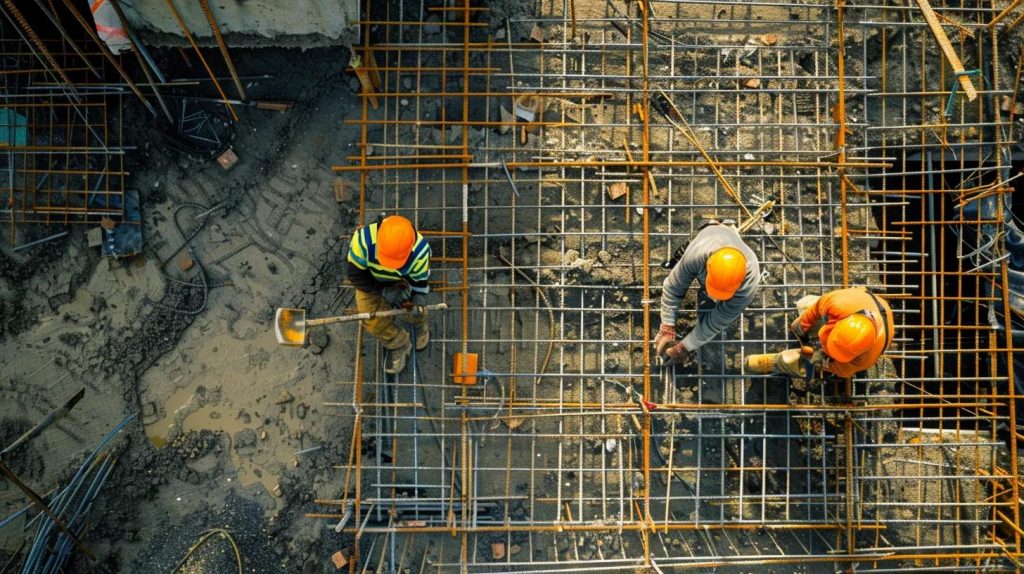
Construction sites are busy, noisy, and often dangerous places. Heavy machinery, high places, deep excavations and tight deadlines make safety one of the biggest challenges in our industry. For decades, safety management has relied on paperwork, toolbox talks and human supervision — approaches that are vital, but sometimes too slow or inconsistent to stop accidents before they happen.
That’s starting to change. AI is now being used on real building projects to help detect risks, predict hazards, and make sites safer for workers. This isn’t futuristic technology you’ll see in sci-fi films; it’s happening on real sites now with proven benefits. In this article, we explain what the leading AI safety solutions are, how they work, and why UK trades companies should be paying attention.
AI in Action: Real-Life Proof It Works
One of the best real-world examples comes from a major US construction firm, Shawmut Design and Construction. This Boston-based business manages over 150 active sites and thousands of workers. Since 2017 it has used AI tools to improve site safety in very practical ways.
Shawmut’s AI does more than just record data; it analyses information from across a site to highlight where extra risk exists. For example, it looks at weather conditions, the number of new workers on a project, and how many supervisors are present. If the system spots a pattern that suggests a higher chance of incidents such as lots of new hands but too few experienced supervisors, it flags that site as high-risk so the team can act.
During the COVID-19 pandemic, Shawmut even expanded its use of AI to help maintain safe physical distancing by using GPS on workers’ phones to monitor movements.
Let’s break down the AI safety tools that are already in use.
1. AI-Powered Cameras and Computer Vision
One of the most widespread AI safety solutions on construction sites uses computer vision (software that looks at video footage and interprets what’s happening in real time).
These systems connect to CCTV or AI-ready cameras and can:
- Detect if workers aren’t wearing required protective equipment such as hard hats or hi-vis.
- Spot people walking into dangerous zones near moving machinery or deep excavations.
- Identify hazardous conditions like cluttered walkways or fall risks.
When the software spots something unsafe, it can send instant alerts to supervisors via mobile or desktop dashboards so you can act quickly. This kind of real-time alerting means issues are caught early, instead of waiting for a near-miss report or morning safety meeting.
Over time, these systems highlight patterns, showing which areas, tasks or shifts cause the most issues, giving managers clear insight into where improvements are needed.
2. Predictive Analytics: Spotting Risk Before It Happens
AI isn’t just good at watching what’s happening now, it can also look ahead.
Predictive analytics tools take large amounts of data such as from past safety reports, weather, worker experience levels and time of day and look for patterns linked to accidents or near misses. When the model spots a combination of factors that historically led to incidents, it can generate a risk score and alert managers in advance.
For example, if data shows that days with high wind, lots of untrained labour and complex lifts have a higher likelihood of incidents, the system will let you know when similar conditions arise again. This allows you to adjust schedules, increase supervision, or introduce additional safeguards before anything goes wrong.
3. Wearables and Sensor-Based Solutions
AI isn’t limited to cameras and software it’s also being used in wearable tech for workers.
These devices (like smart hard hats, wristbands or belt clips) can:
- Monitor worker location and alert if someone enters a hazardous zone.
- Detect falls and send emergency notifications instantly.
- Track signs of fatigue by monitoring heart rate or movement patterns, helping supervisors manage worker health before an accident.
This kind of sensor data, when fed into an AI platform, provides a richer understanding of site conditions and human factors around safety, not just what happens on camera.
Wearables are especially useful in complex environments where visibility is limited, or in big projects where supervisors can’t be everywhere at once.
4. Integrated Site Monitoring Platforms
Modern safety monitoring systems don’t work in isolation, they bring together cameras, sensors, wearables and analytics dashboards to give a complete picture of what’s happening on site.
Platforms like these can:
- Combine multiple data streams into a single dashboard.
- Deliver alerts and reports to mobile devices so managers don’t have to be in the site office all day.
- Help track trends over time so you can measure progress and demonstrate compliance.
Some tools link with your existing planning systems, so safety issues can be reviewed alongside programmes, timelines and quality checks.
The Practical Benefits for UK Trades Companies
So why should UK construction businesses care about AI safety solutions?
Real, Measurable Results
Companies using AI tools are seeing fewer incidents, faster reaction times, and better insight into risk patterns therefore saving time and money on investigations, claims and delays.
Supports Human Supervisors
AI doesn’t replace your site team; it amplifies their capabilities. You still need experienced supervisors, but AI helps them cover more ground with fewer blind spots.
Stronger Safety Culture
When workers see a proactive safety approach backed by data and quick responses, it builds trust and reinforces safe behaviour across the workforce.
How to Get Started
For many UK companies, a good first step is to introduce an AI-powered camera system alongside existing CCTV. These systems often require minimal hardware changes and can start delivering useful alerts quickly.
Wearable sensors and predictive analytics can come next once you understand the kind of data your site already collects and where the biggest risks lie.
Above all, involve your safety team and workforce early explaining why you’re introducing these tools and how they help everyone stay safe.
For UK trades companies competing on quality, reputation and worker welfare, embracing the right AI solutions could be a game-changer helping you keep people safe and projects on track, every day.
So, what other AI tools could you be using in your construction business today? Book a discovery call with Construct Virtual to see what’s practical, affordable and right for your business.